

The most significant jump-scare the movie business has experienced in 2025? The return of horror as a main player at the UK film market.
As a category, it has remarkably surpassed previous years with a annual growth of 22% for the British and Irish cinemas: over £83 million this year, compared with £68 million the previous year.
“Previously, zero horror films made £10 million in the UK or Ireland. Currently, five have surpassed that mark,” notes a cinema revenue expert.
The big hits of the year – Weapons (£11.4m), Sinners (£16.2m), The Conjuring Last Rites (£14.98 million) and 28 Years Later (£15.54 million) – have all remained in the cinemas and in the audience's minds.
Although much of the industry commentary centers on the singular brilliance of certain directors, their achievements suggest something shifting between viewers and the category.
“Many have expressed, ‘You should watch this even if horror isn’t your thing,’” states a head of acquisition.
“Such movies experiment with style and format to produce entirely fresh content, connecting with viewers on a new level.”
But beyond artistic merit, the steady demand of spooky films this year implies they are giving cinemagoers something that’s greatly desired: emotional release.
“Currently, cinema mirrors the widespread anger, fear, and societal splits,” observes a horror podcast host.
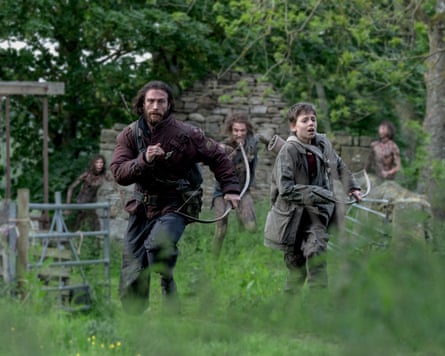
“The genre masterfully exploits common anxieties, magnifying them so that everyday stresses fade beside the cinematic horror,” says a prominent scholar of vampire and monster cinema.
In the context of a global headlines featuring war, border tensions, far-right movements, and environmental crises, witches, zombies and vengeful spirits connect in new ways with filmg oers.
“It’s been noted that vampire cinema thrives during periods of economic hardship,” comments an performer from a popular scary movie.
“The concept reflects how economic systems can drain vitality from individuals.”
Since the early days of cinema, social unrest has influenced the genre.
Experts highlight the boom of German expressionism after the the Great War and the chaotic atmosphere of the 1920s Europe, with movies such as classic silent horror and Nosferatu: A Symphony of Horror.
Subsequently came the economic crisis of the 30s and Universal Studios’ Frankenstein and The Wolfman.
“The classic example is Dracula: you get this invasion of Britain by someone from eastern Europe who then causes this infection that gets spread in all sorts of ways and threatens the Anglo-Saxon heroes,” explains a historian.
“Thus, it mirrors widespread fears about migration.”
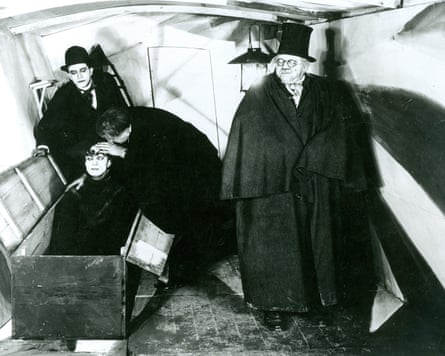
The phantom of border issues influenced the newly launched folk horror a recent film title.
Its writer-director elaborates: “I wanted to explore ideas around the rise of populism. Firstly, slogans like ‘Let’s Make Britain Great Again’, that harken back to some fantasy time when things were ‘better’, but only if you were a rich white man.”
“Additionally, the notion that acquaintances might unexpectedly voice extreme views, leaving others shocked.”
Maybe, the current era of acclaimed, socially switched-on horror began with a clever critique released a year after a contentious political era.
It sparked a fresh generation of horror auteurs, including various prominent figures.
“That period was incredibly stimulating,” recalls a director whose movie about a murderous foetus was one of the period's key works.
“I think it was the beginning of an era when people were opening up to doing a really bonkers horror film which had arthouse aspirations.”
The director, currently developing another scary story, continues: “Over 10 years, audiences’ minds have been opening up to much more of that.”
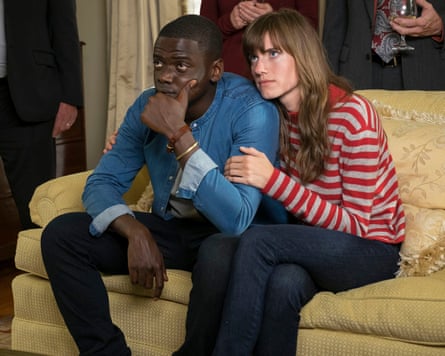
Concurrently, there has been a reappraisal of the genre’s less celebrated output.
Earlier this year, a new cinema opened in a major city, showing obscure movies such as The Greasy Strangler, The Fall of the House of Usher and the modern reinterpretation of Dr Caligari.
The renewed interest of this “rough and rowdy” genre is, according to the cinema founder, a straightforward answer to the calculated releases churned out at the box office.
“It counters the polished content from big producers. The industry has become blander and more foreseeable. Numerous blockbusters share the same traits,” he states.
“On the other hand, [these indie works] feel imperfect. They seem to burst forth from deep creativity, free from commercial constraints.”
Fright flicks continue to challenge the norm.
“These movies uniquely blend vintage vibes with contemporary relevance,” says an authority.
Besides the return of the insane researcher motif – with two adaptations of a well-known story upcoming – he forecasts we will see scary movies in 2026 and 2027 responding to our modern concerns: about AI’s dominance in the years ahead and “vampires living in the Trump tower”.
At the same time, a biblical fright story The Carpenter’s Son – which tells the story of Mary and Joseph’s struggles after the nativity, and includes famous performers as the sacred figures – is planned for launch soon, and will undoubtedly create waves through the Christian right in the United States.</


